
Product marketing involves bringing a product to market and making it sellable using various marketing activities. For this project we will be taking practical steps towards formulating our very own product marketing campaign.
Adding real projects to your portfolio will always do so much more towards building your marketing career — it showcases strategic thinking and how you can apply marketing skills to a real life marketing task.
Let’s get started.
The product.
The first step is choosing a product (make it something remotely interesting).
There is a growing interest in Bamboo fibre. Because of it’s properties, bamboo fibre makes for the softest fabrics, it’s breathable soft to the touch and overall comfortable for lounging in.
Let’s go with this.
Market research
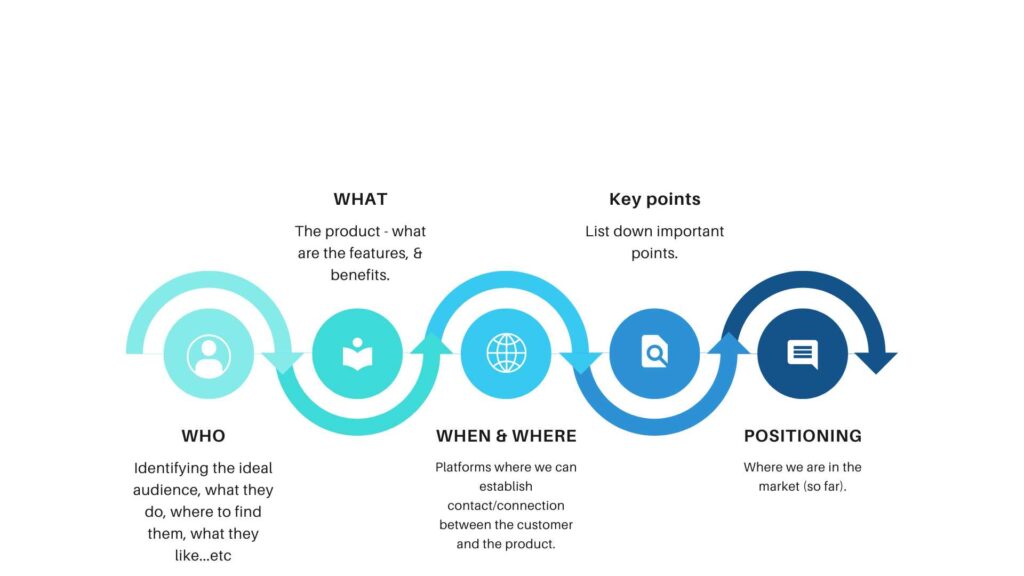
To ensure that this product’s marketing campaign succeeds, we need to find answers to these questions(Who? What? Where? and When?)—they will be critical in our decision-making process.
This step is also called conducting market research. You can follow my checklist (or any other) to gather data on the ideal customer, the competitors, and the market for your chosen product.
My market research looks like this (Or at least the summary):
WHAT:
- The Product:
- The Physical Product (Facts + Features) – Natural fabric, naturally breathable, hypoallergenic, moisture-wicking, and odour-resistant.
- The Functional Product – Affordable, indoor & outdoor, high quality fabric, luxurious.
- USP’s ( What makes it different) – Naturally soft, breathable and more comfortable than regular fabric.
WHO:
- The Ideal customer.
- The data skews towards women in these ages (late 20’s to mid 30’s).
- Very ideal for be women working office jobs or working from home.
Words and phrases used by our target audience(Voice Of Customer Data):
“Comfortability, respectable enough to wear outside the house, loose but not messy, presentable, wear in home office and on an errand, good look.”
Buyer persona:
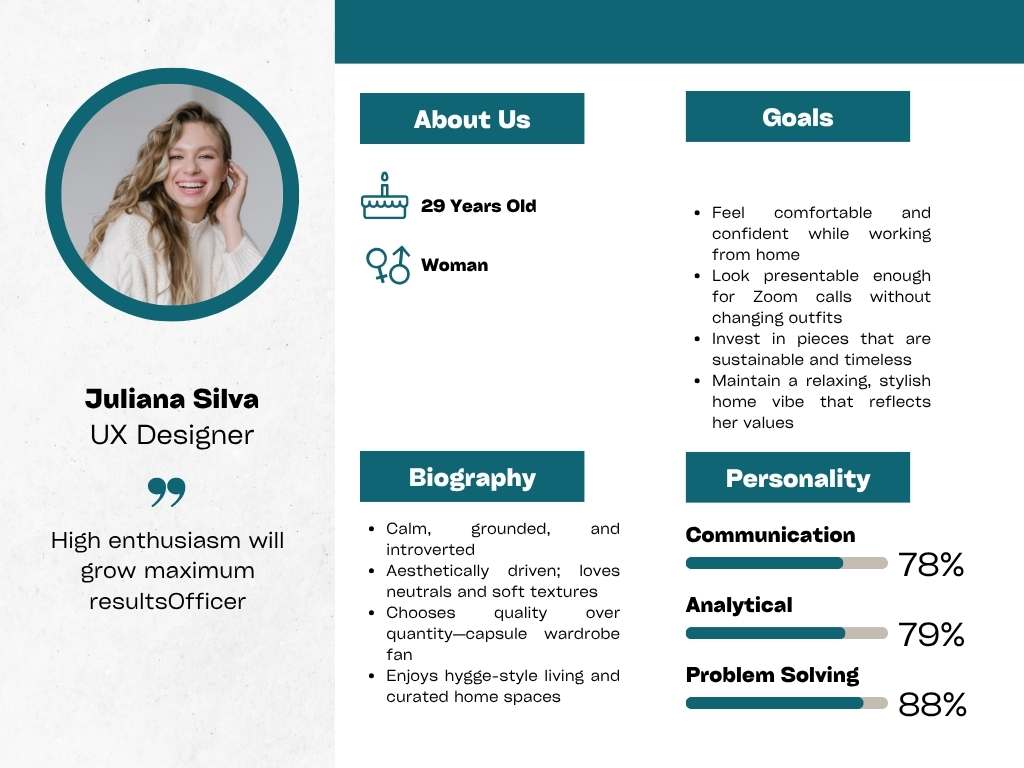
A buyer persona is a semi-fictional character that represents our ideal customer. It is basically a collection of our data on our targeted customer and a few assumptions(educated guesses) here and there.
What a buyer persona does is say this is who we’re selling to. It simplifies the process. You can make 1 or 2 of these for your product and include them in your project.
Competition:
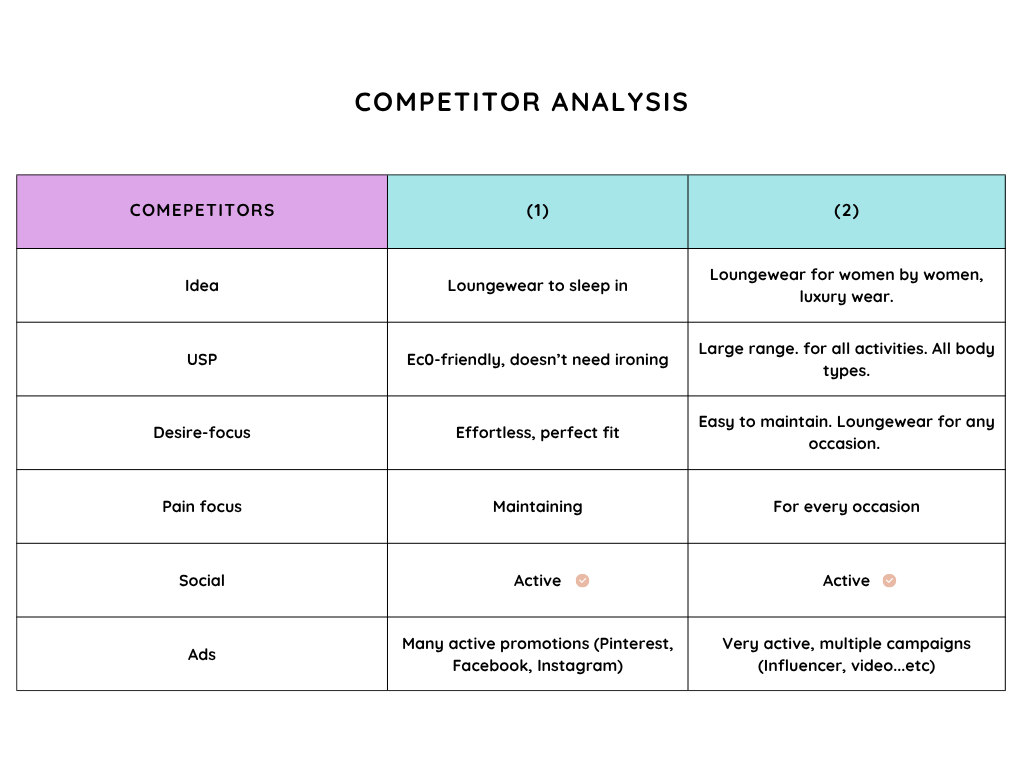
The competitors will give you a more precise scope of how to reach and connect with customers. You can use my checklist or any other to gather helpful information from your competitors.
The following is a summary derived from 4 different competitors. It highlights essential factors from their sales tactics and unique selling propositions to how they create their ads, which you can get from ad libraries.
WHERE & WHEN:
When and where is how we will engage with the customers, in which platforms, and how long we will be trying.
For my case, I will use the following platforms(this is where a bulk of my targeted audience hangs out):
Google, social media(Facebook, Instagram, Pinterest).
KEY POINTS:
We know all the specifics of the product.
We know who buys the product.
And we know where to find the audience.
Strategy.
Next up is strategy & positioning.
Now that we understand both the market(customers and competitors) and the product, how do we make them meet? More importantly, how can we foster a meaningful connection between the two?
This next step can take many forms, but for this project, we’ll use digital marketing practices to inform our customers about the product and sell it to them.
Which ultimately comes down to the following:
- Content strategy – create content for the product to generate a buzz around it.
- Promotion Strategy – promote the product with ads.
Captions
We can use some of the keywords gathered from the research to create captions for the social media posts.
- Neat, comfortable and presentable.
- Loose and breathable.
- All body types.
- Not sloppy.
- Luxury wear.
- Did you know it’s 4 times softer than cotton?
Now that we have everything we need, it’s time for launch!
Implementation
Content: for Instagram & Pinterest.
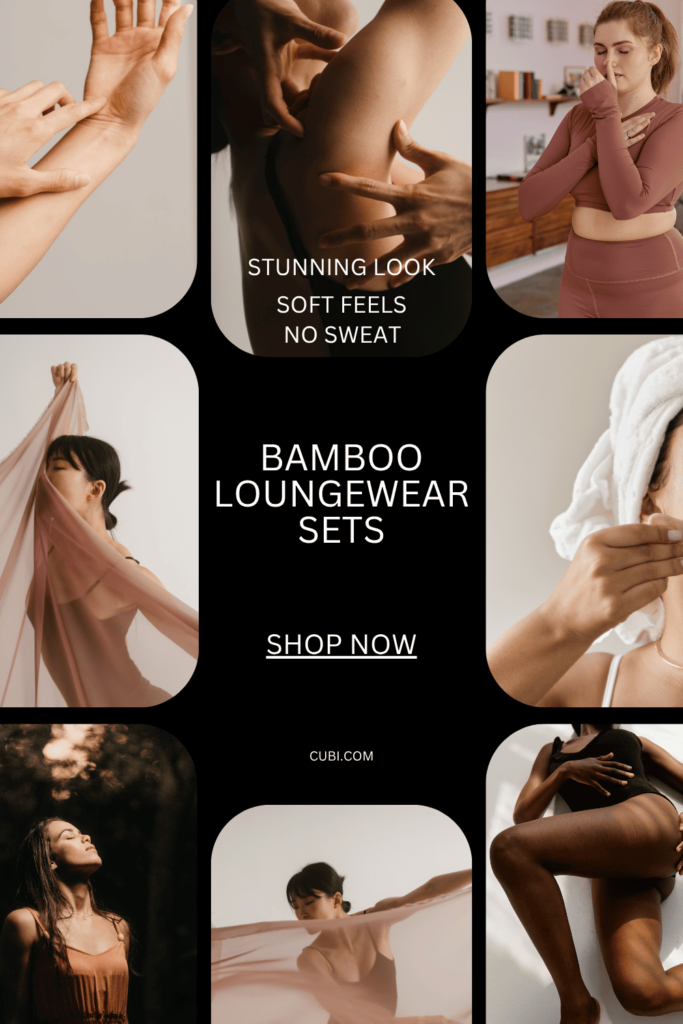

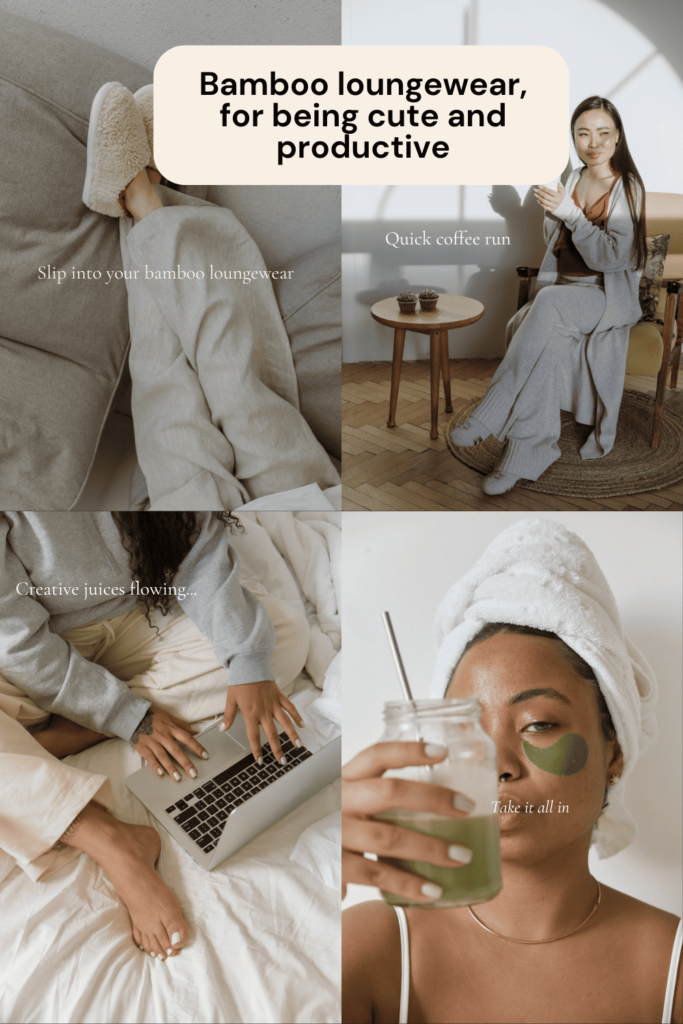
This is what the content looks like. The messaging, captioning and the pictures are simply manifestations of what our customers are looking for. At least from the research we gathered.
Ads:
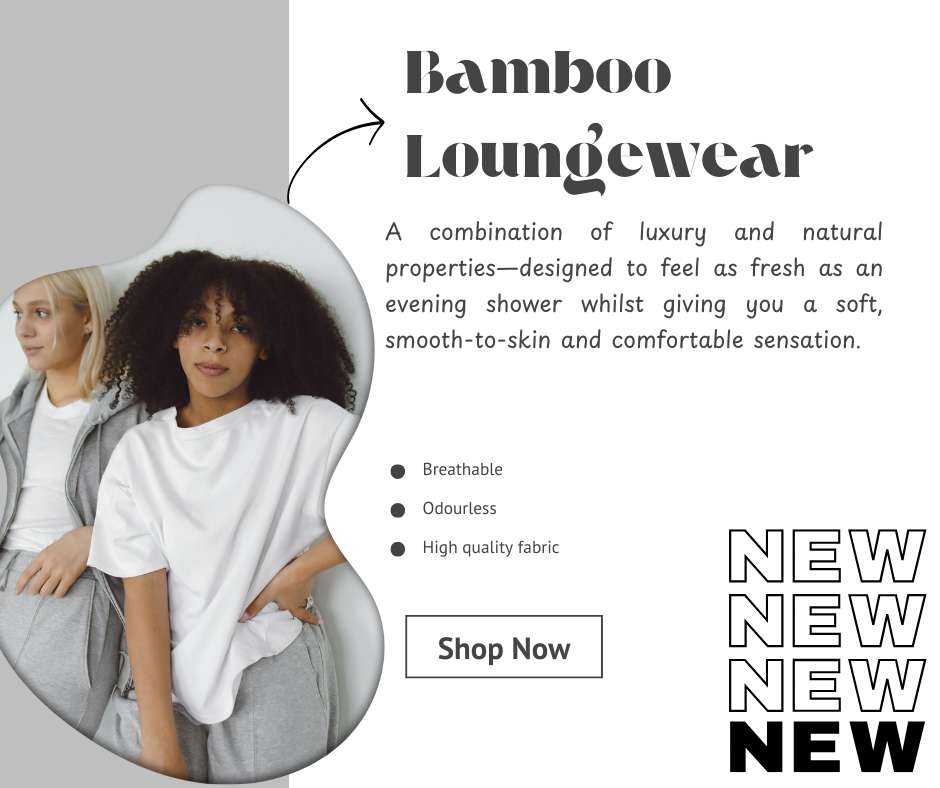
I also wrote a bit of copy for the ad to add a little more zip! And again the message is simply what the customers have said themselves. It’s easier to sell something to someone if you know exactly what they want!
Final thoughts
If this is your first project, I’d advise you to apply the principles you learned here to your social media marketing campaign (your next project).
By completing this project, you’d have added skills such as market research, content creation that involves visuals and writing, and learning the ins and outs of social media platforms to your portfolio.
Not bad.
Like this? do more projects!